Slowly shaped. Deeply considered.
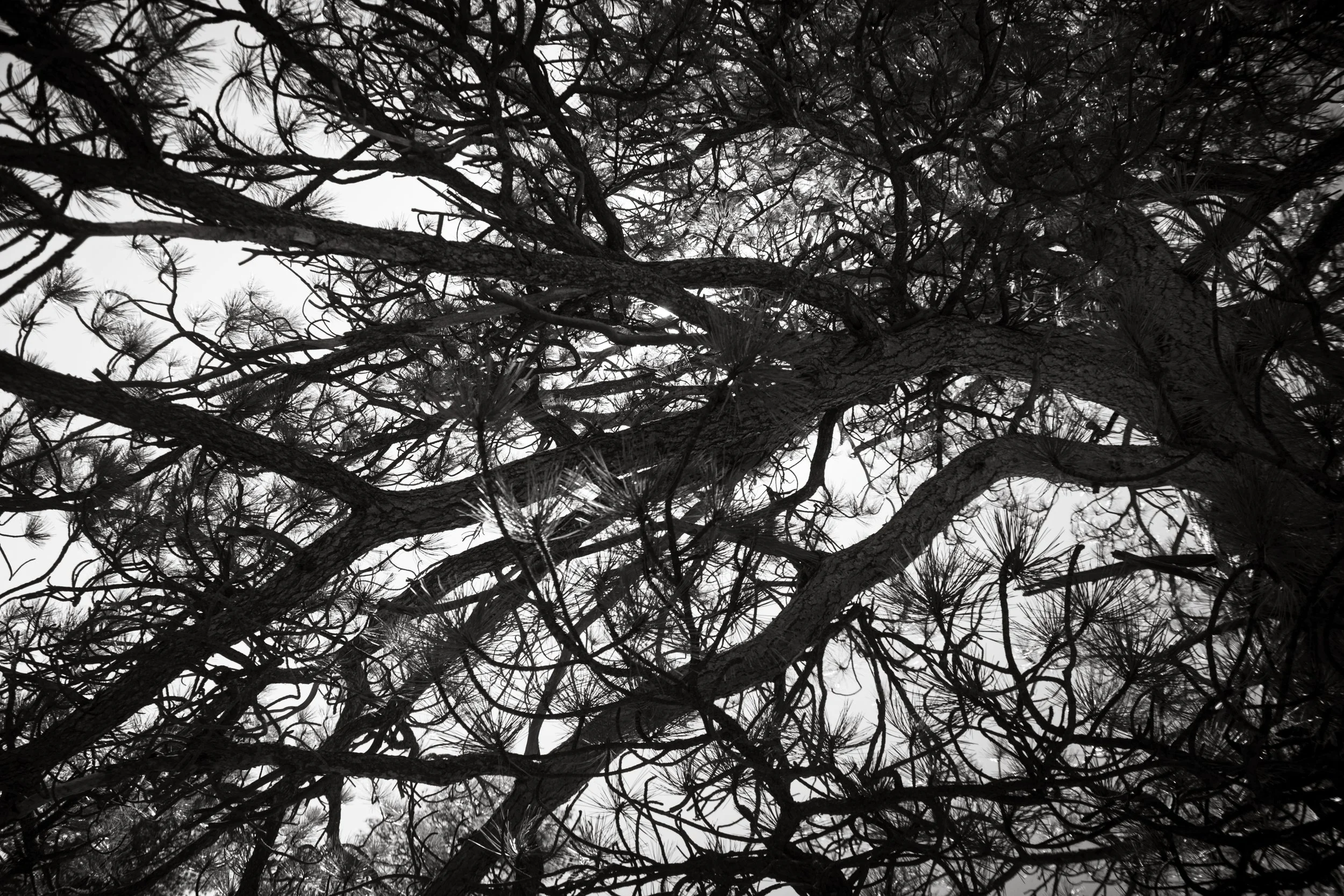
Every Timber Lark piece begins long before anything is made
It begins in observation. A piece of wood turned slowly in hand, studied for the movement of its grain, the warmth of its color, the figure waiting beneath a rough surface. I spend a great deal of time simply looking at material, at landscape, at the way light falls differently through forest than across open stone. Inspiration rarely arrives fully formed.
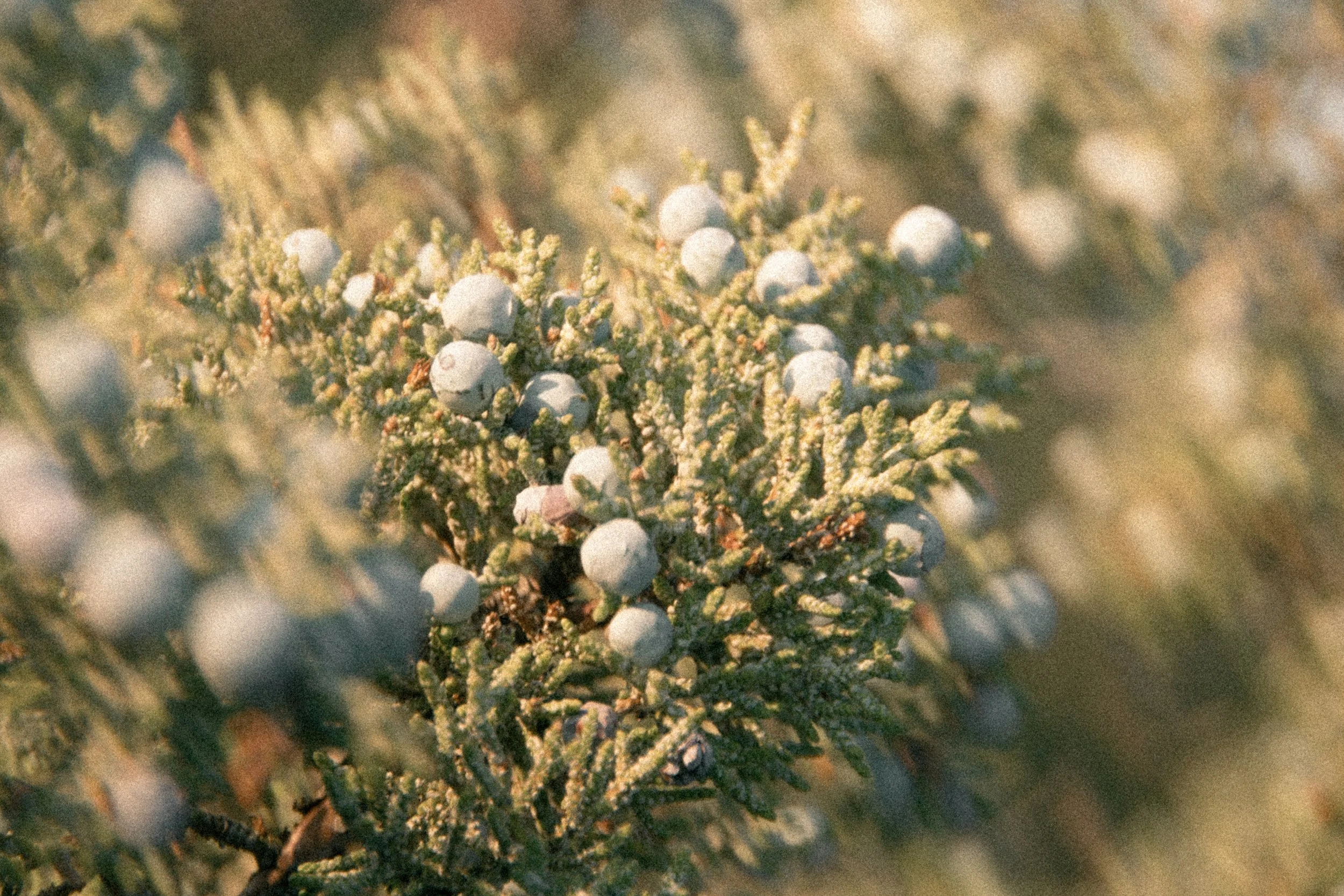
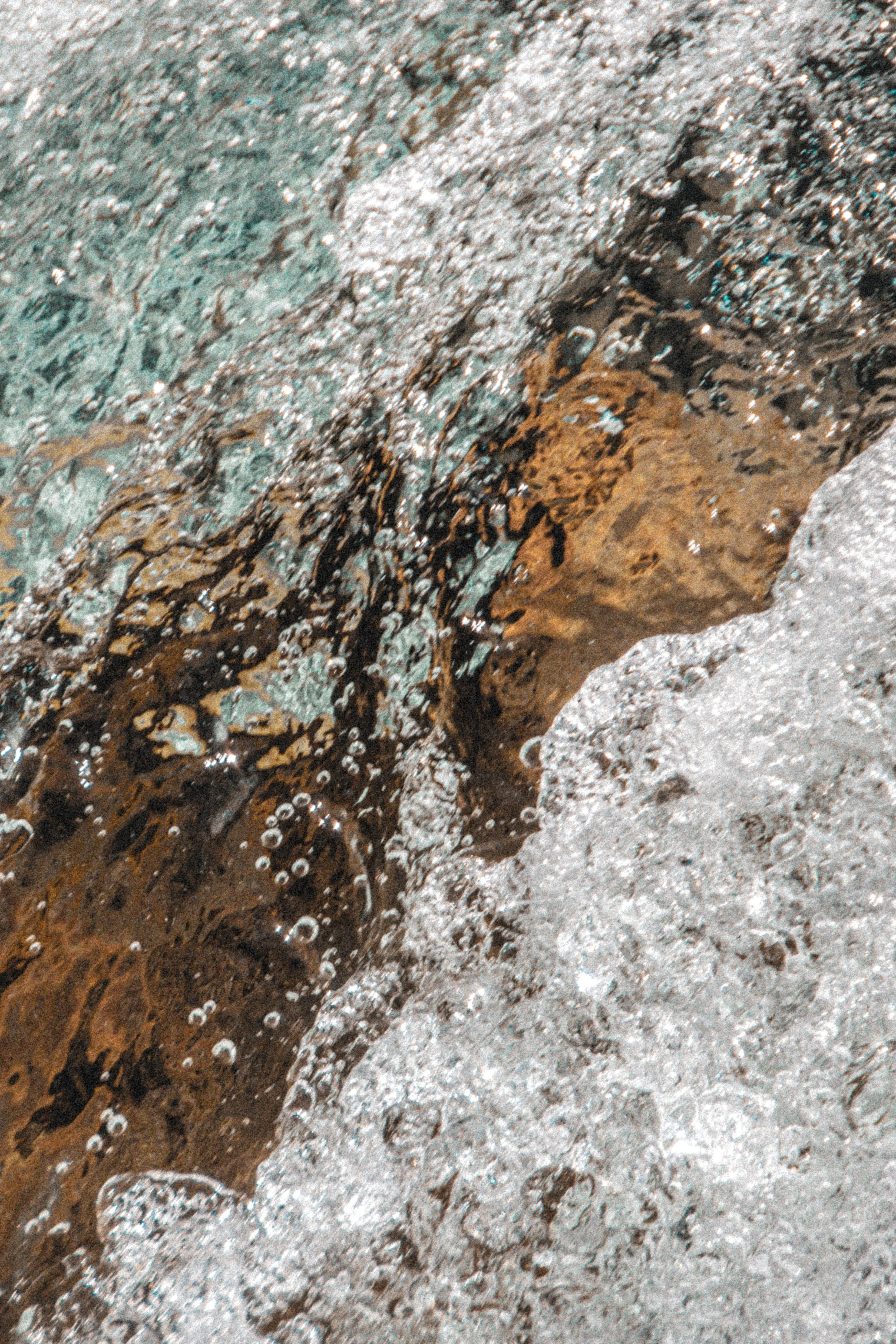
From there, the piece takes shape first in thought
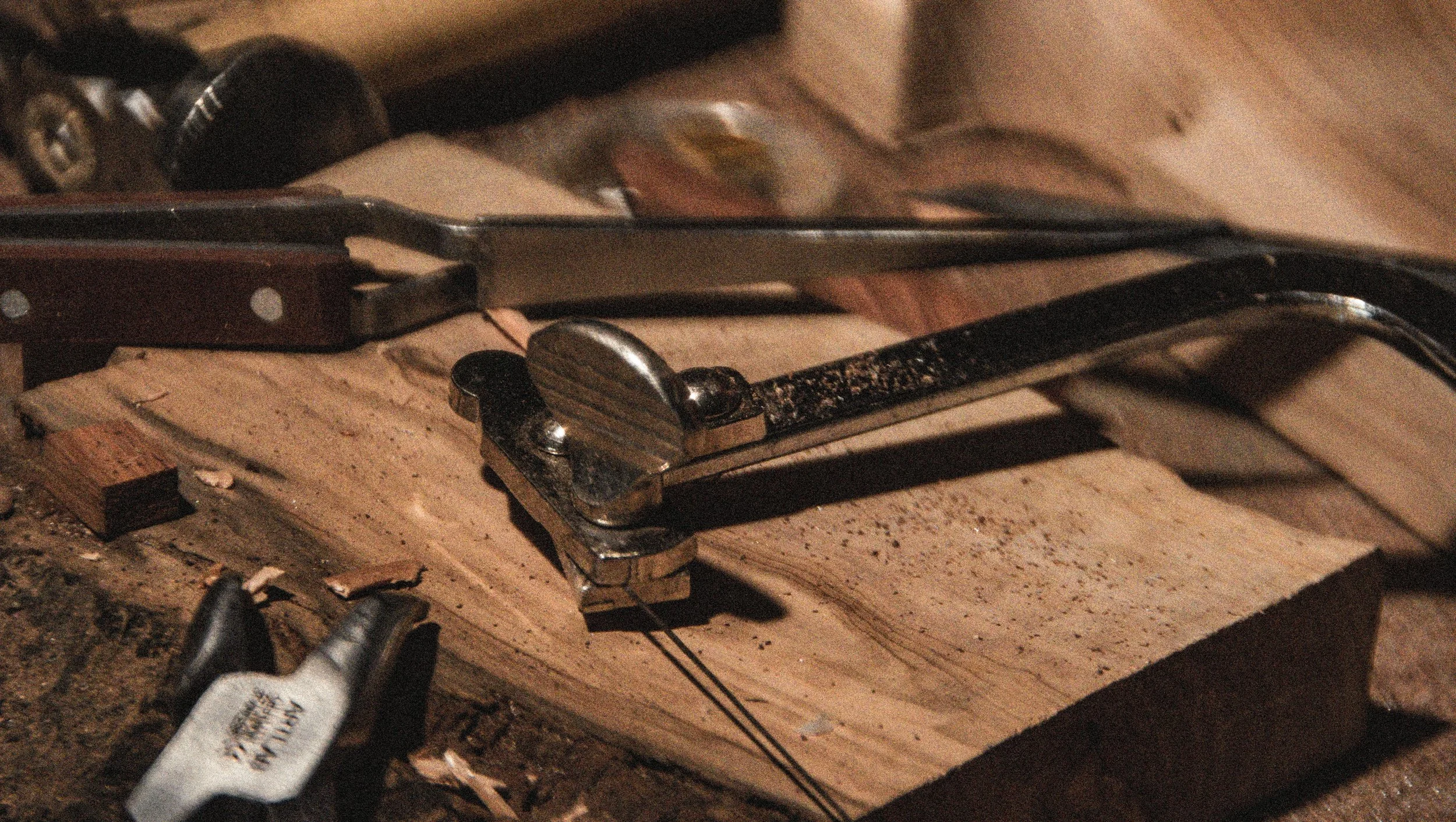
I sketch carefully, working out how every element will relate; grain direction, proportion, the meeting point of wood and metal. This is where most decisions are made, not at the bench but on paper, not by impulse but by patience. I would rather refine an idea for hours in a sketchbook than begin making something that feels merely good when it could feel genuinely right.
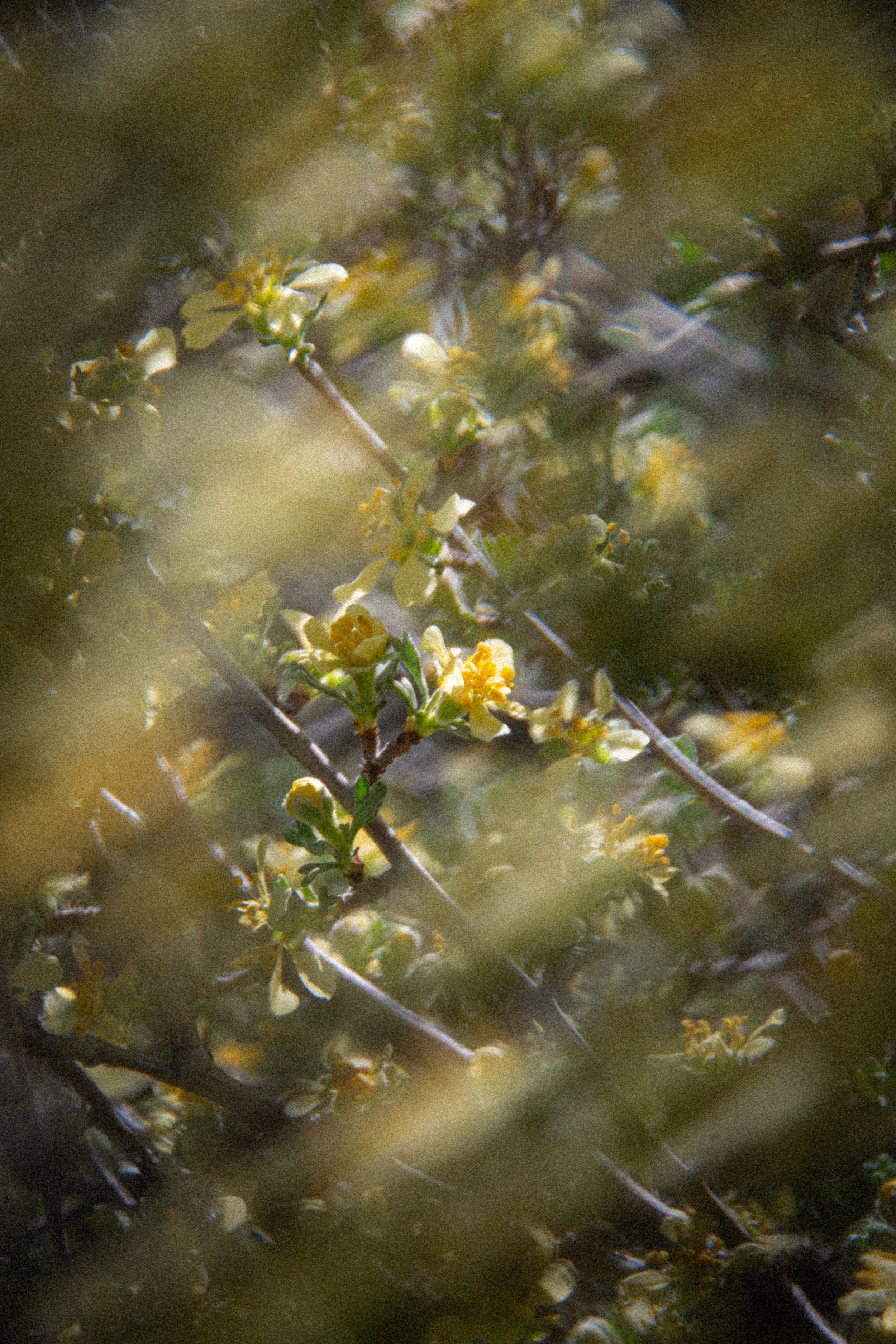
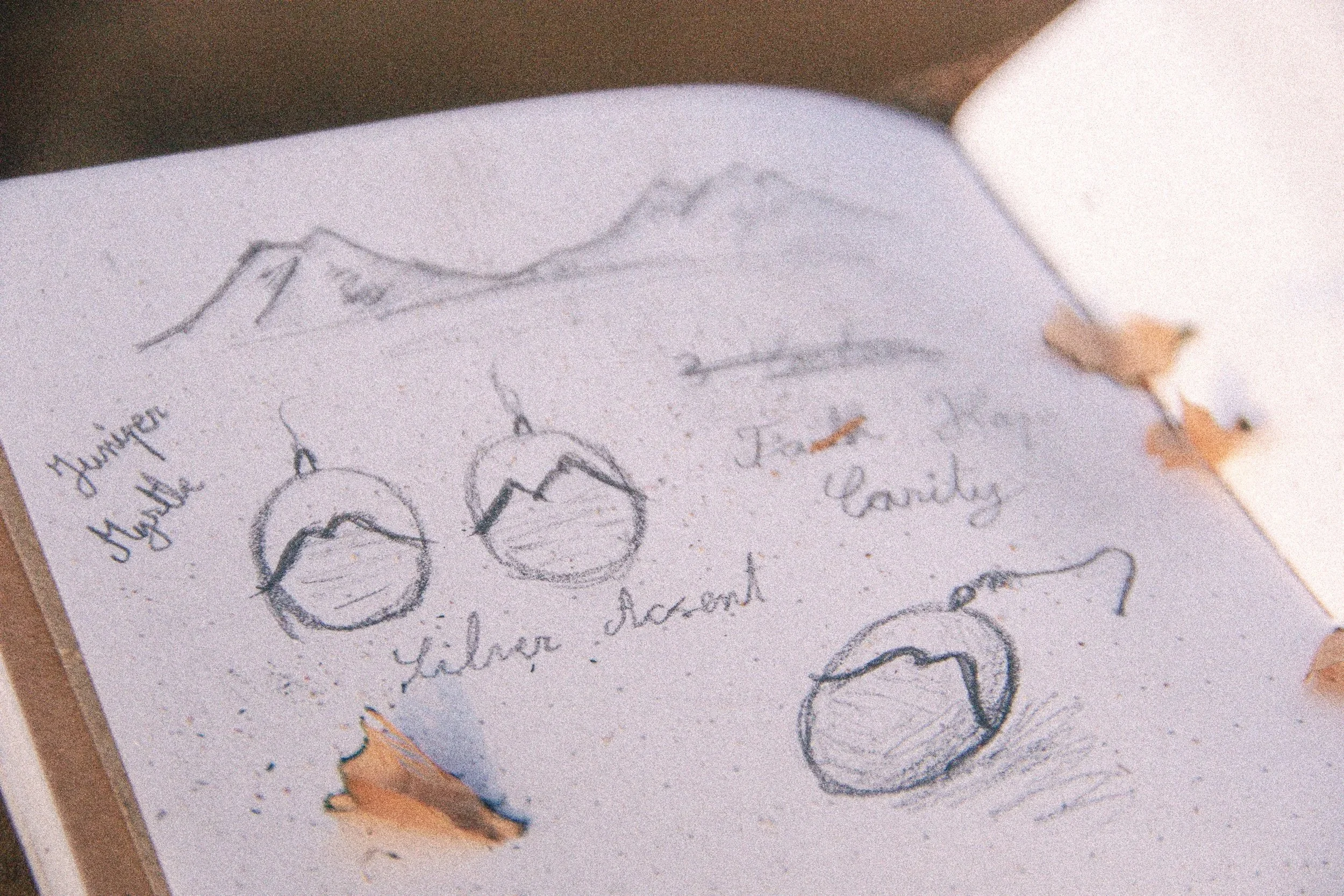
Only then does making begin
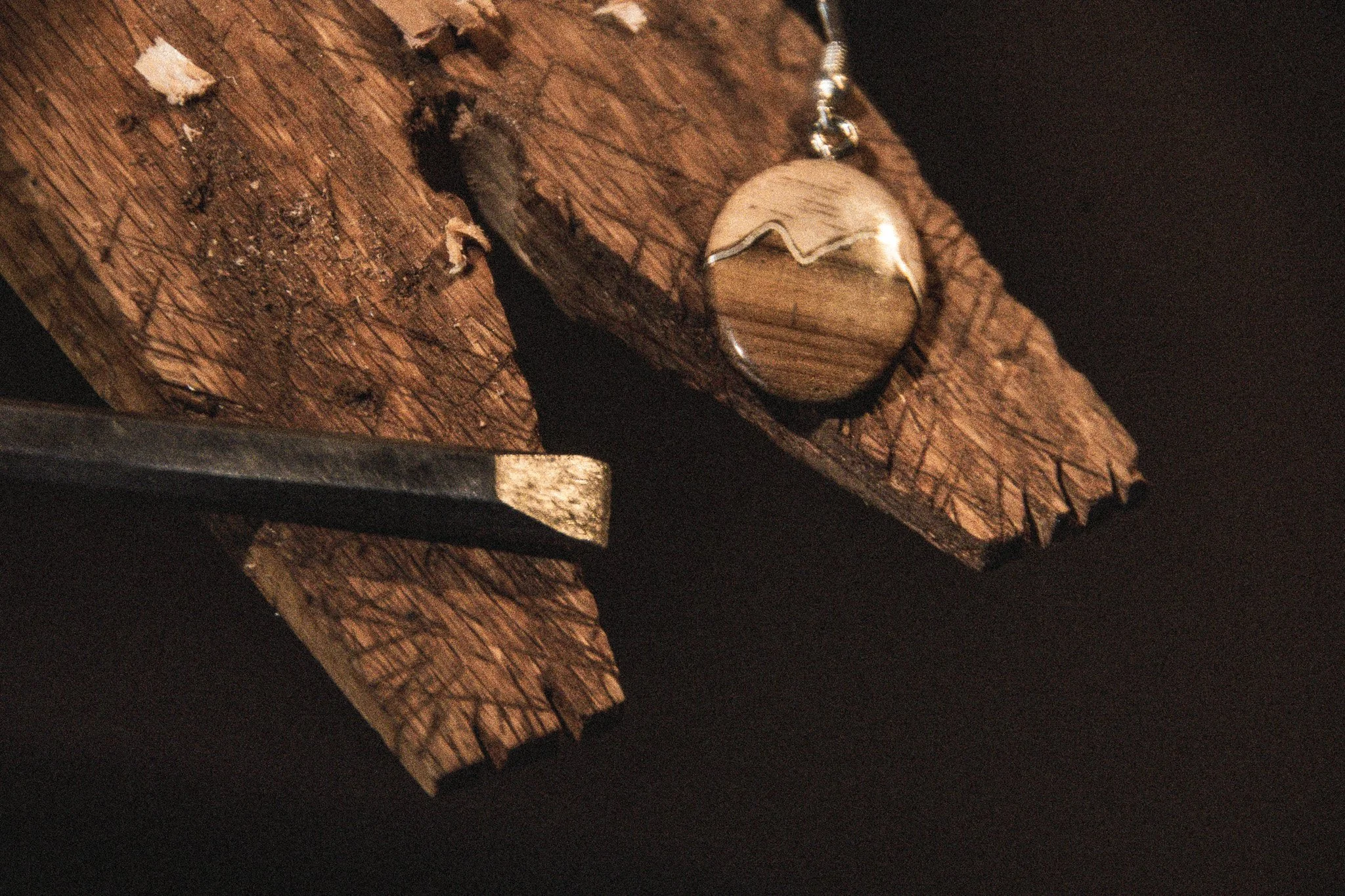
Wood is worked slowly, revealing its character layer by layer. No two pieces respond the same way. Each has its own density, figure, and quiet resistance. Rushing it costs something that cannot be recovered.
Metal enters the piece with equal care
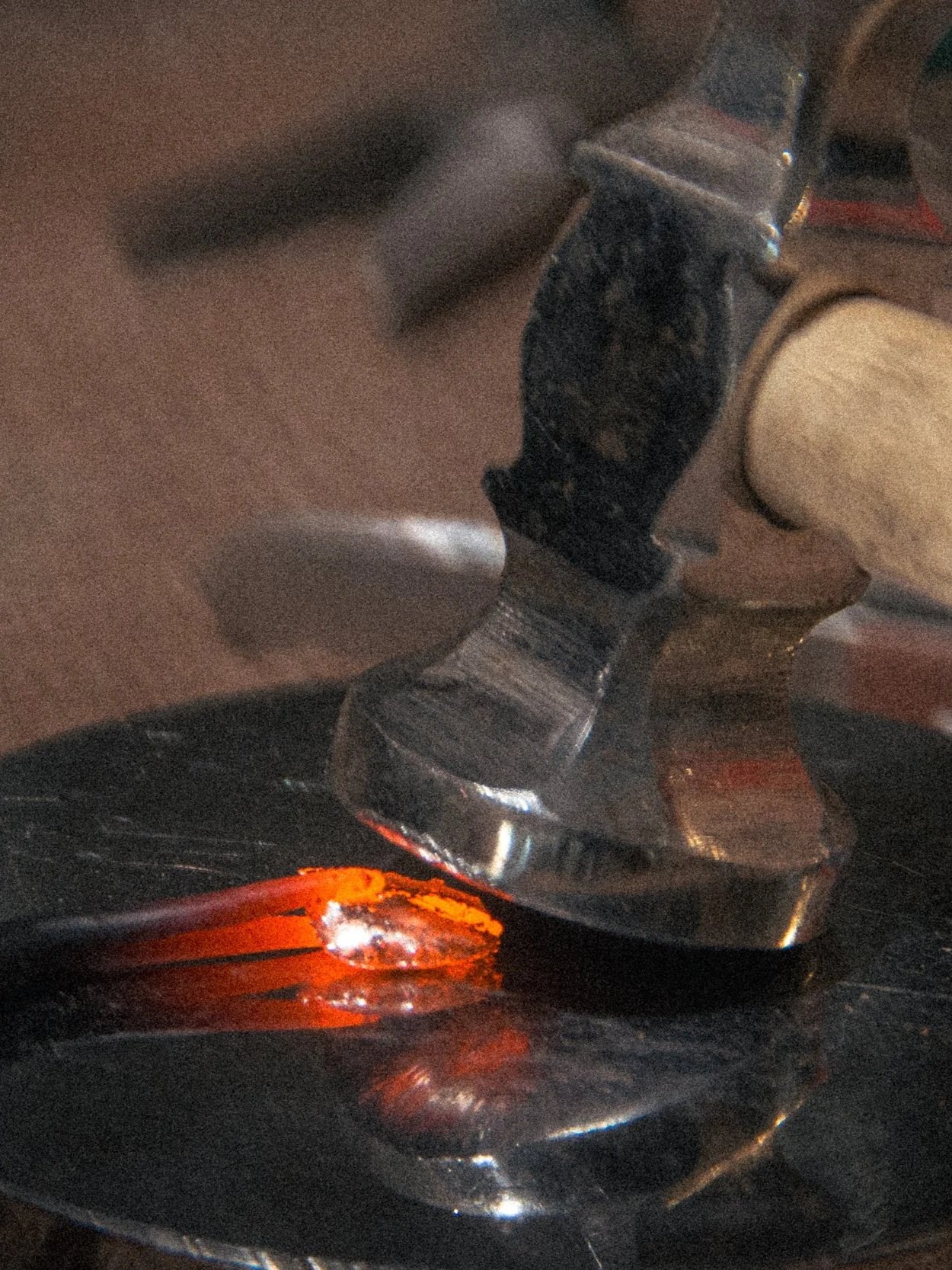
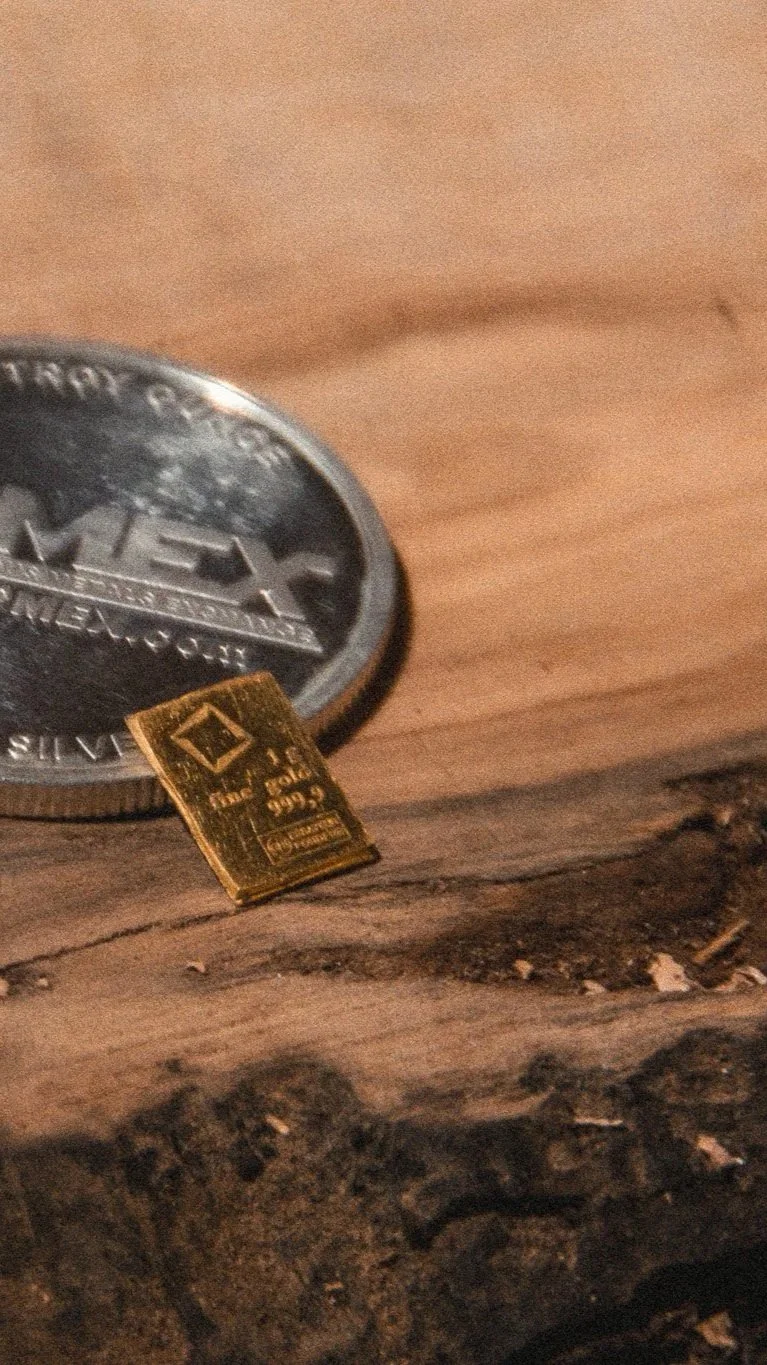
I work exclusively with .999 fine silver and fine gold. The purest forms of each, chosen deliberately. Most jewelry relies on alloys for practical strength, but my techniques don’t require that compromise, and I see no reason to dilute something already noble. Metal is joined together entirely through welding, never soldering; slower and more demanding, but preserving the full integrity of the material. The tolerances are sometimes extreme. A single weld on a small piece can take many attempts; one second of error and everything fuses into a formless molten drop. I have remade pieces entirely rather than accept a join that wasn’t right. That is not perfectionism for its own sake. It is simply what the work demands.
What follows is refinement
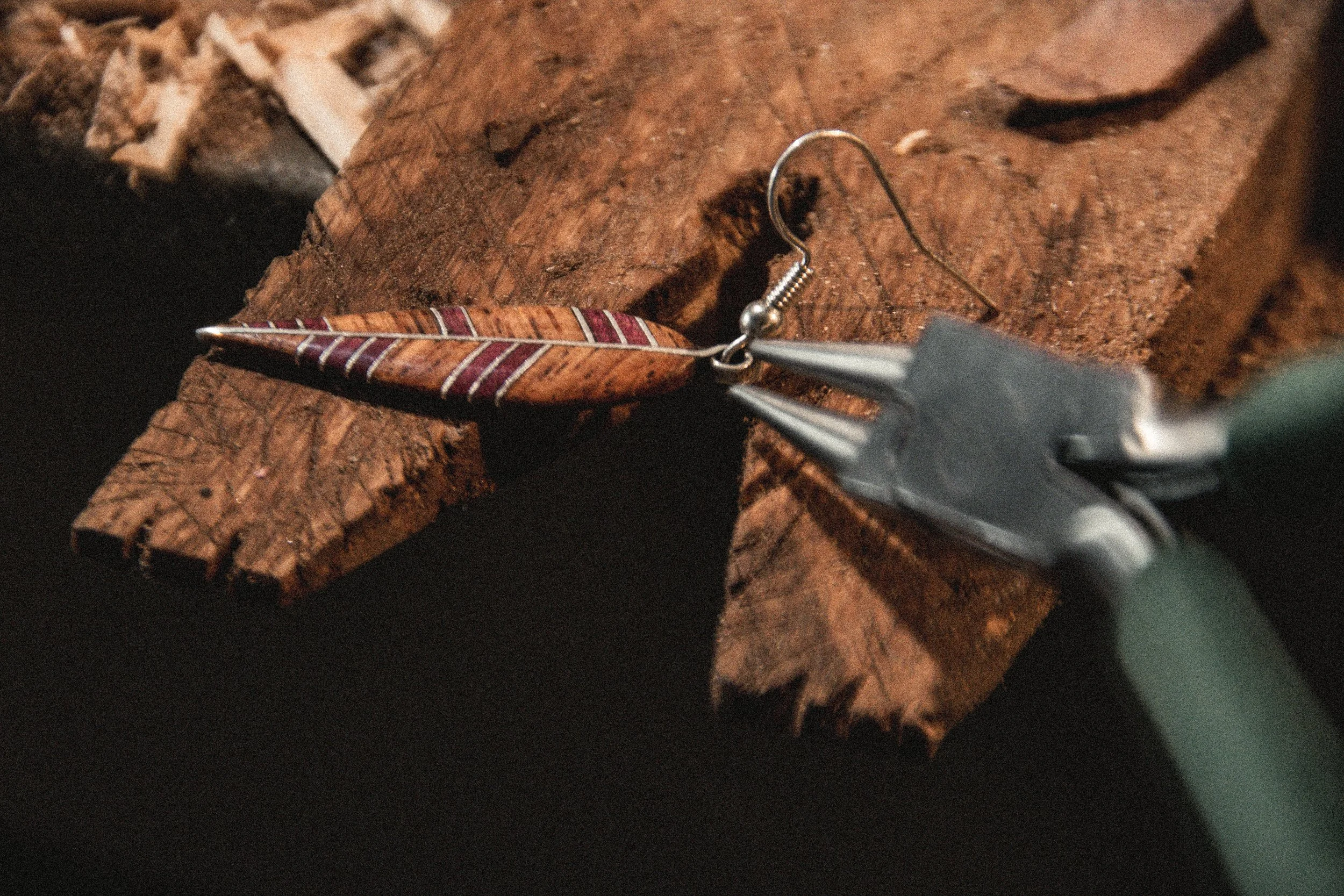
Every transition, between materials, planes, textures, is adjusted until it feels resolved from every angle: in the hand, in the light, and in the close inspection where the quality of craft either reveals itself or doesn’t.
Each piece is then sealed with an exceptionally hard, clear finish, resistant to moisture and daily wear, and polished by hand to a deep luminous shine. A Timber Lark piece is meant to be worn, not preserved. It should remain exactly itself through years of use.
There is one experience I keep returning to when I think about what this work actually is.
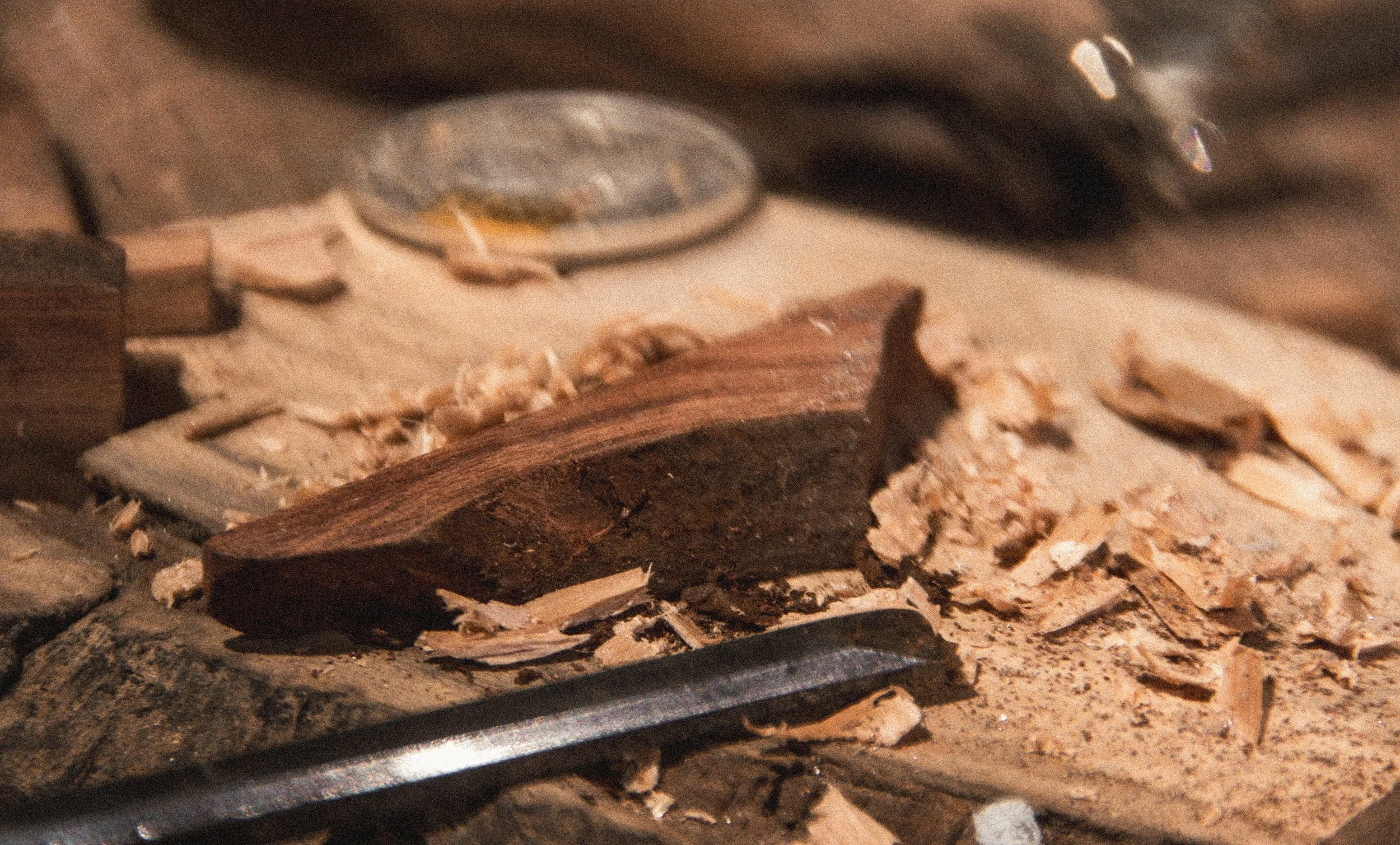
I once packed my tools and torch deep into the mountains on a long expedition, convinced that making the wilderness my workshop, far from civilization and its distractions, would bring something to the work I couldn’t find any other way. It ended when altitude starved my torch of oxygen and I could no longer work silver. With only basic hand tools and considerable stubbornness, I completed one piece up there. It is not my finest work. But it clarified something important: inspiration is only ever the beginning. What actually brings a piece into being is the slow, difficult work of making: the gap between vision and finished thing, negotiated one careful step at a time. That gap is where craft lives. It is what I come to every time I sit down to begin.

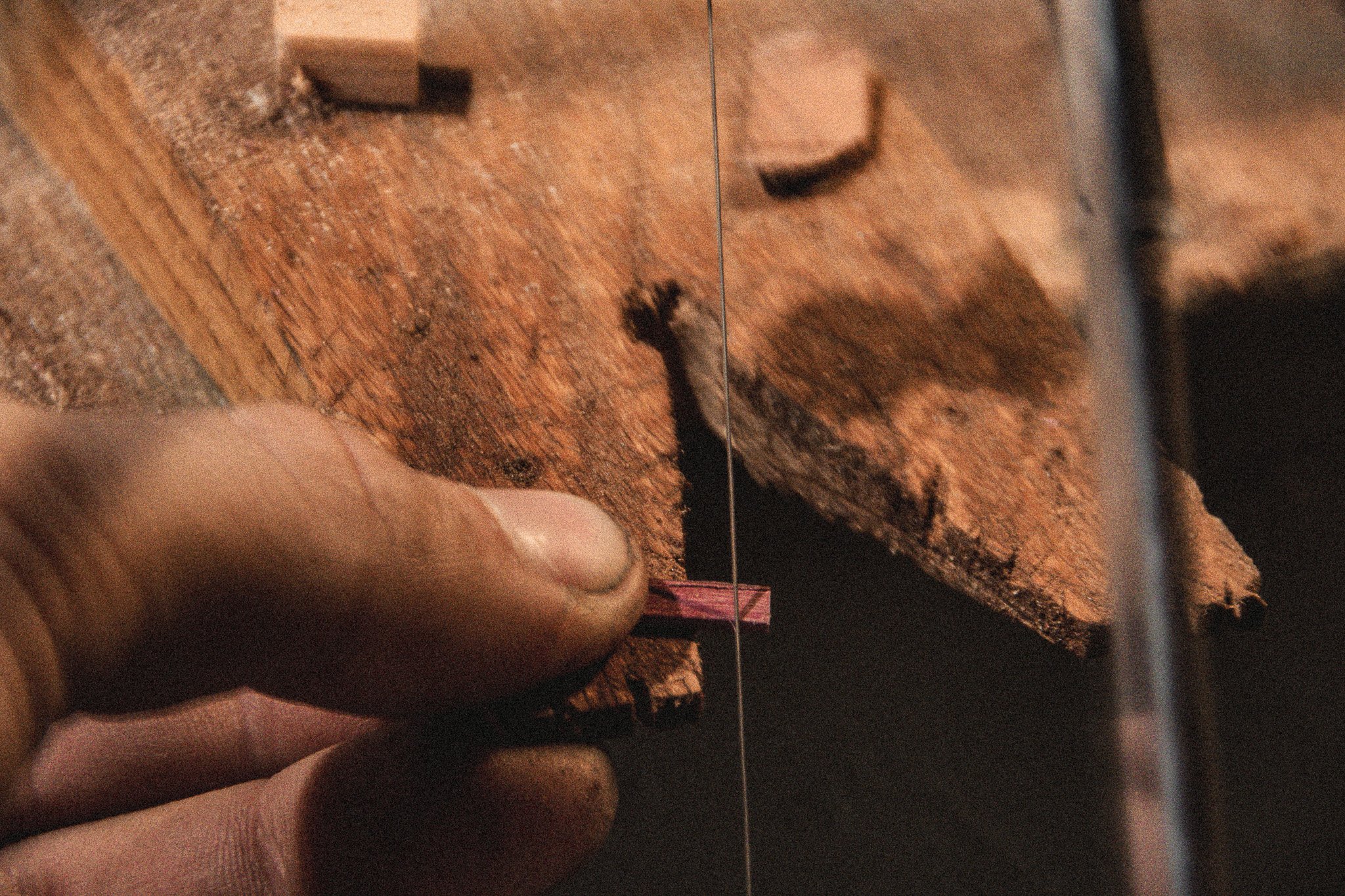
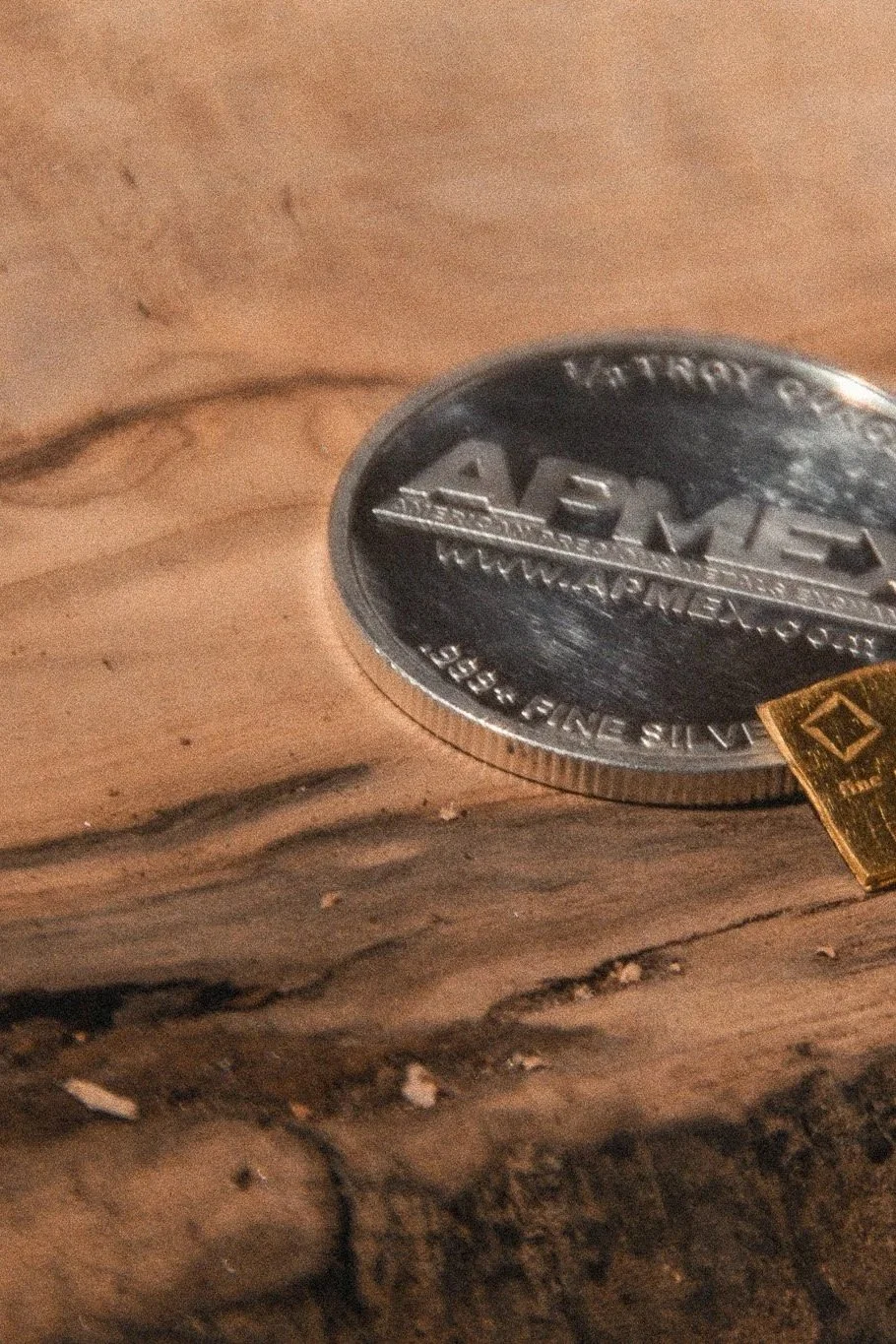
Every Timber Lark piece is made entirely by my own hands, from first sketch to final polish. No production line. No outsourcing. No shortcuts.
Only slow craft, careful attention, and a quiet determination to make each piece finer than the one before it.
That is what gives the work its character.
And that is what makes it worthy of being worn close.